What Should a Restaurant Website Actually Include in 2026?
The pages, menu format, booking approach and photos that actually matter — and the three mistakes that quietly send hungry visitors to a competitor instead.
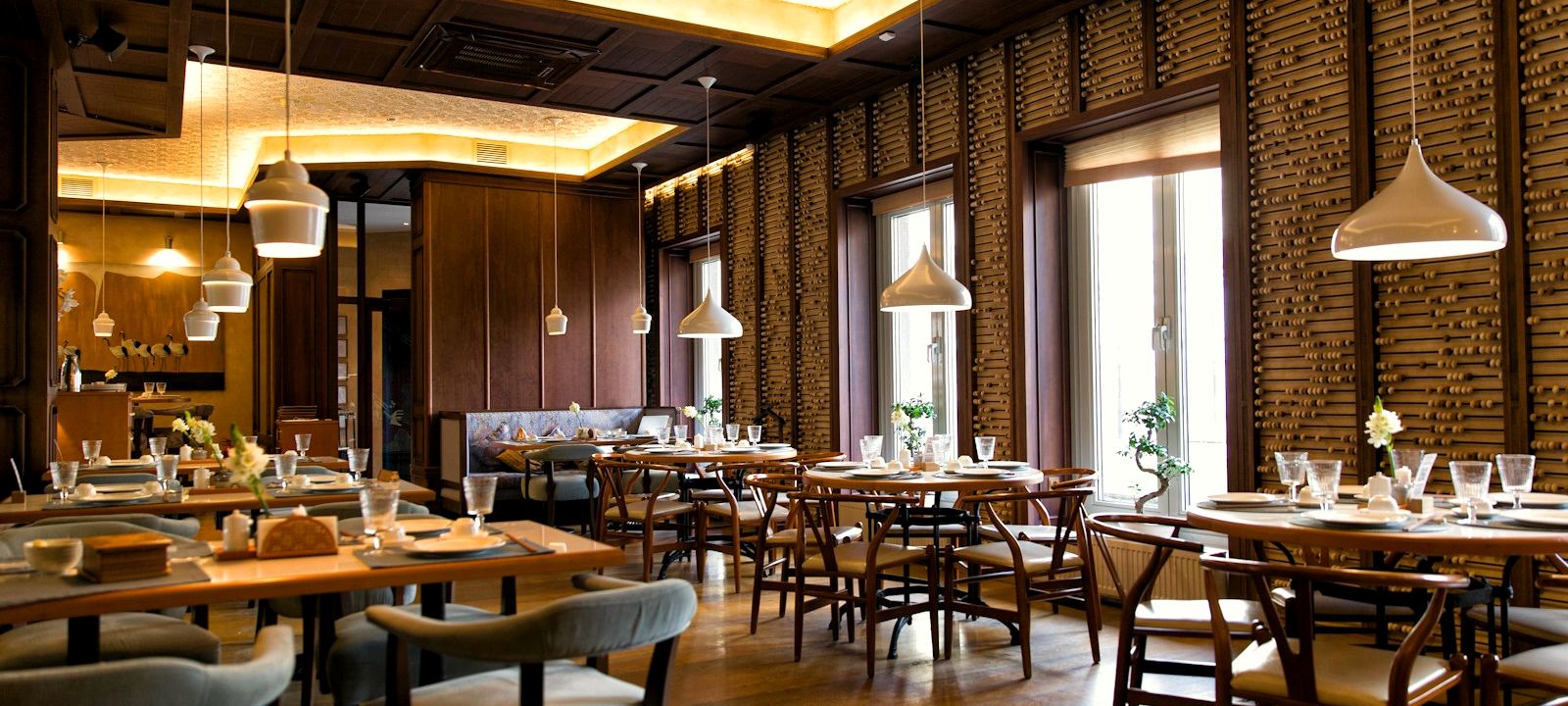
Photo: Unsplash
Someone standing outside deciding where to eat, or scrolling for “restaurant near me” on their phone, makes a decision in seconds. A restaurant website’s only job is to survive that first glance — with a menu they can actually read, hours they can trust, and a way to reach you that doesn’t involve guessing. Here’s what that actually requires.
The pages every restaurant site actually needs
Restaurant websites fail more often from missing basics than from bad design. Before anything else, five things need to exist and be easy to find:
- Home — one strong photo, your name, cuisine, and the single action you want: call, message, or see the menu.
- Menu — real, readable, current. Covered in detail below — this is the page that gets checked first.
- Location & hours — address, a map, and today’s actual opening hours, not “Mon–Sun, hours vary.”
- Contact / reservations — phone number and WhatsApp link that work the moment someone taps them.
- About / story — one paragraph on what makes the place worth choosing over the restaurant next door.
That’s a five-page site, and for most independent restaurants it’s genuinely enough. Galleries, blogs and event calendars are worth adding later — they’re not what decides whether someone walks in tonight.
Menu: the page most restaurants get wrong
The single most common mistake on restaurant websites is a menu that’s a PDF, a photo of the printed menu, or a scanned image. It looks fine to open — but it fails on the things that actually matter:
- It’s unreadable on a phone — pinching and zooming across a photographed menu is exactly the friction that makes someone give up and check a competitor instead.
- It’s invisible to Google. Text inside an image or a PDF generally isn’t indexed the way a real page is — so a search for “vegan options [your restaurant]” or “[dish name] near me” has nothing to match against.
- Updating it is a hassle. A price change or a seasonal dish means re-designing the whole graphic and re-uploading a file, so it quietly goes stale.
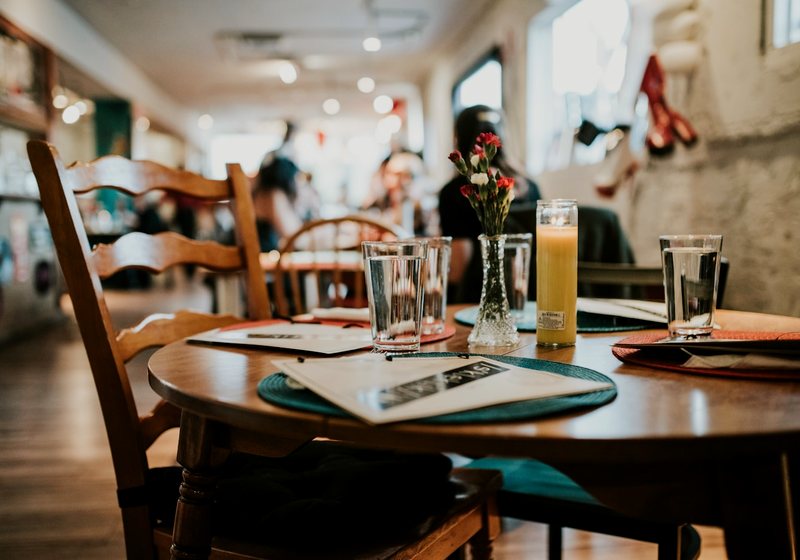
A real HTML menu — actual text, organized by section, with prices — solves all three problems at once. It resizes properly on any phone, it’s something Google can actually match to a search, and updating a price is a one-line edit instead of a redesign.
Booking & ordering: what to include, what to skip
This is the section where restaurant sites tend to either underdeliver or wildly overbuild. Two different things get called “booking,” and they cost very different amounts:
- A reservation request — a WhatsApp button or a simple form that says “we’ll confirm your table.” This covers almost every independent restaurant and is realistic to build into a standard site.
- Live availability booking — a real-time system showing which tables are free at which times, syncing with a floor plan. This is a genuinely different, ongoing piece of software — closer to what OpenTable or Resy sell as a dedicated product — and it usually comes with its own monthly subscription on top of the website itself.

Be honest with yourself about which one you need. A single-location restaurant rarely needs live-availability booking — a reservation request that a host confirms by message does the same job at a fraction of the cost. We build the first kind; we don’t build live booking engines, and say so upfront rather than after a deposit.
Photos that actually sell the food
Generic stock photography of food is easy to spot, and it undercuts trust in exactly the business where trust in the actual product matters most. A handful of real photos of your actual dishes — shot in daylight, no filters, on the plates you actually serve — will outperform a full gallery of beautiful stock photos of food nobody in the restaurant has ever cooked.
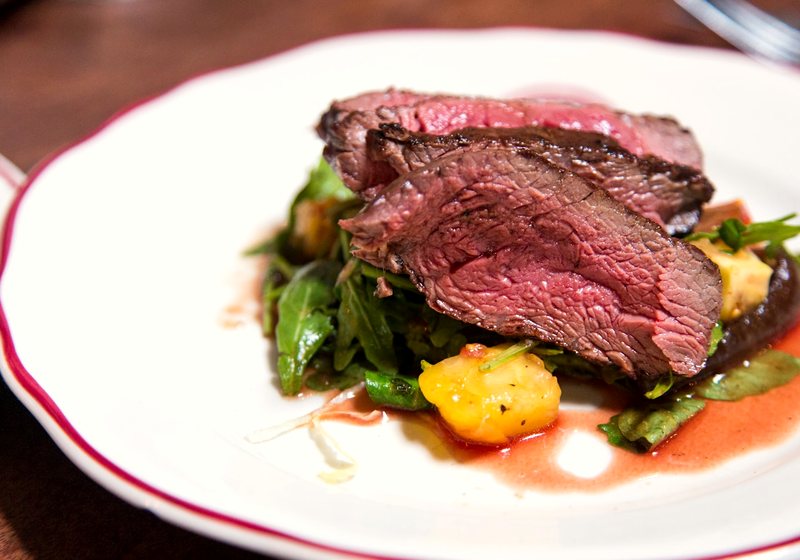
Phone photos are enough if the lighting is good — a plate near a window at midday usually beats a studio shot taken under kitchen lighting. If there genuinely are no usable photos yet, professional stock photography is a reasonable stand-in for launch, replaced with real shots as they come in.
Google Maps, hours and local search
Most restaurant traffic is local and immediate — someone deciding in the next few minutes, not researching for next week. Three things make that decision easier:
- An embedded Google Map with accurate pinned location — not just an address in text that someone has to copy and paste.
- A Google Business Profile that matches the website exactly — same name, same address, same phone number and hours. Mismatches between your site and your Google listing are a common, avoidable source of lost trust and lost calls.
- Real opening hours, kept current — including holidays, since “closed when the site said open” is one of the fastest ways to lose a customer for good.
Mobile: where most people actually find you

Someone deciding where to eat is very often standing on a street, sitting in a car, or scrolling between meetings — on a phone, not a laptop. A restaurant site that requires zooming, that hides the phone number below three menus, or that loads slowly on mobile data loses exactly the customer it most needs to convert: the one who’s hungry right now.
Essential vs. nice-to-have
| Feature | Essential | Nice-to-have |
|---|---|---|
| Real HTML menu with prices | ✓ | — |
| Google Map & accurate hours | ✓ | — |
| WhatsApp / call reservation link | ✓ | — |
| Mobile-optimized layout | ✓ | — |
| Real dish photography | ✓ | — |
| Second language for tourist areas | — | ✓ |
| Live-availability table booking | — | ✓ |
| Online ordering with payment | — | ✓ |
| Blog / events calendar | — | ✓ |
For the full breakdown of what’s included at each price point, see the pricing page — a menu-heavy restaurant site typically fits the Business package, with the gallery/menu add-on for a fuller visual menu layout.
See a real restaurant site, not a mockup
Our portfolio includes a full working restaurant website — menu, photography, hours and a WhatsApp reservation link, built exactly the way this article describes.
View the restaurant example →Frequently asked questions
Should a restaurant menu be a PDF or a real web page?
A real web page. A PDF or scanned menu is hard to read on a phone, isn’t picked up properly by Google search, and has to be fully re-uploaded for every price change. A text-based menu page solves all three at once and takes seconds to update.
Does my restaurant need online ordering?
Only if you actually want to take orders and payment through your own site rather than a delivery platform. Many independent restaurants are better served by a WhatsApp or phone ordering link plus listings on delivery apps — a full ordering system with payment is a larger, ongoing piece of software, not a standard website feature.
Do I need a live table booking system?
Most single-location restaurants don’t. A reservation request by WhatsApp or a simple form, confirmed by a host, covers the same need without the ongoing subscription cost of a live-availability booking platform. Live booking makes more sense for high-volume restaurants juggling many nightly turns.
How many photos does a restaurant website actually need?
Fewer than most owners expect — one strong hero photo, four to eight real dish photos, and one or two interior shots covers most sites well. Quality and authenticity matter far more than quantity; a dozen real phone photos beat forty stock images.
What should be on a restaurant homepage specifically?
One clear hero image, the restaurant name and cuisine, today’s hours, and one obvious next step — call, message on WhatsApp, or view the menu. Everything else belongs on its own page, one tap away.
See your own restaurant’s website before you spend a dollar
Tell us your restaurant’s name and we’ll send a free design preview of your new homepage. No obligation, no payment details required.
- Free design preview
- Fixed price from $149
- Live in 3 days
Published by Union Web Studio, a trading name of Infivion LLC. Package details reflect our own published pricing as of August 2026 — see current pricing on the pricing page.